
London Borough of Camden · NW1, NW5
Camden Architects
Boutique, design-led Camden architects for refined homes, heritage refurbishments, and commercially smart developments — delivered by DOR Architects. We combine context-sensitive design, deep planning expertise, and build-ready detail to create architecture that enhances both lifestyle and long-term value.

Reviewed by Dor Cohen, RIBA Chartered Architect, ARB Registered
How can an architect help with your project in Camden?
DOR Architects tests what your Camden property or site can achieve, designs a scheme that suits Camden Council's planning policies, and prepares the drawings for approval and building. Our construction and development background keeps designs buildable and on budget, reducing the risk of refusals and costly redesigns.
Contents
Get Started
Get a fee estimate for your Camden home
1. Your project
2. About you
Architecture in Camden
What homes and buildings are typical in Camden?
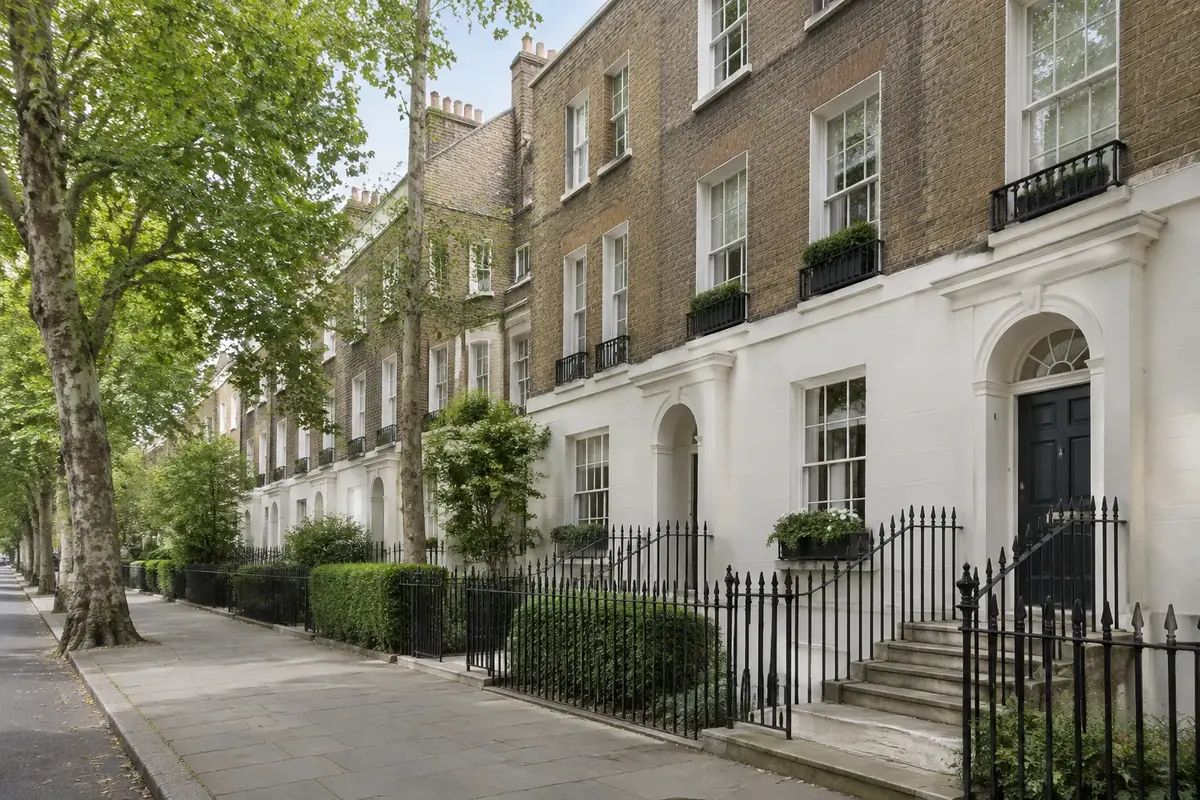
Camden is one of London's most vibrant and architecturally complex neighbourhoods. From Georgian terraces in Camden Town to grand stucco homes in Primrose Hill, and creative conversions in Chalk Farm, the area demands design that is elegant, planning-smart, and sensitive to its layered history.
For homeowners, opportunities abound — kitchen extensions, basement upgrades, and interior reconfigurations that respect heritage while improving daily life. For developers, Camden offers backland sites and mixed-use opportunities that reward intelligent, policy-aligned design.
At DOR Architects, we bridge design ambition and technical practicality, helping clients achieve beautiful, buildable, and commercially viable outcomes.
Planning
What should you know about planning in Camden?
Camden's planning environment is one of the most rigorous in London. Navigating it successfully requires a proactive, evidence-based approach. At DOR Architects, we combine 3D modelling with strong planning narratives, producing clear, persuasive submissions that earn the trust of Camden's planning officers.
Planning a home project in Camden? Our house extension and loft conversion architects can help, or you can check whether your extension needs planning permission first.
Neighbour amenity
Overlooking, daylight and sunlight typically tested at two-storey work.
Garden depth policy
Local SPDs set clear expectations on rear-extension projection.
Trees & TPOs
Mature street trees and TPOs shape foundations and consent.
Party wall matters
Most side-return and rear-extension projects trigger party wall notices — flagged upfront.
Materiality
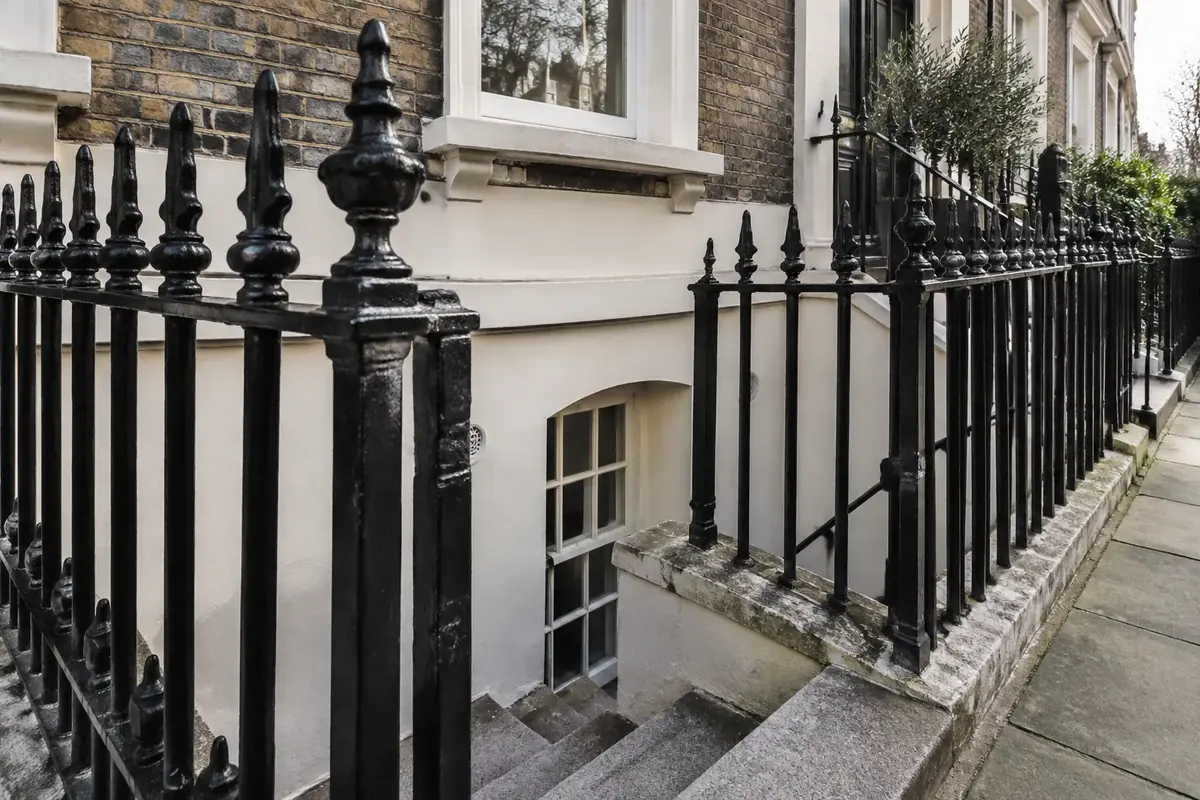
We tune brick, render and joinery to sit calmly within the existing streetscape.
Lifestyle, sustainability & value uplift
Will a well-designed project add value to your home?
Thoughtful, design-led architecture in Camden provides lasting benefits: smarter layouts, better daylight, and improved connection to gardens and terraces; energy-efficient upgrades, discreet renewables, and healthier living spaces; and high-quality refurbishments and sensitive extensions that consistently outperform the market in NW1.
Lifestyle
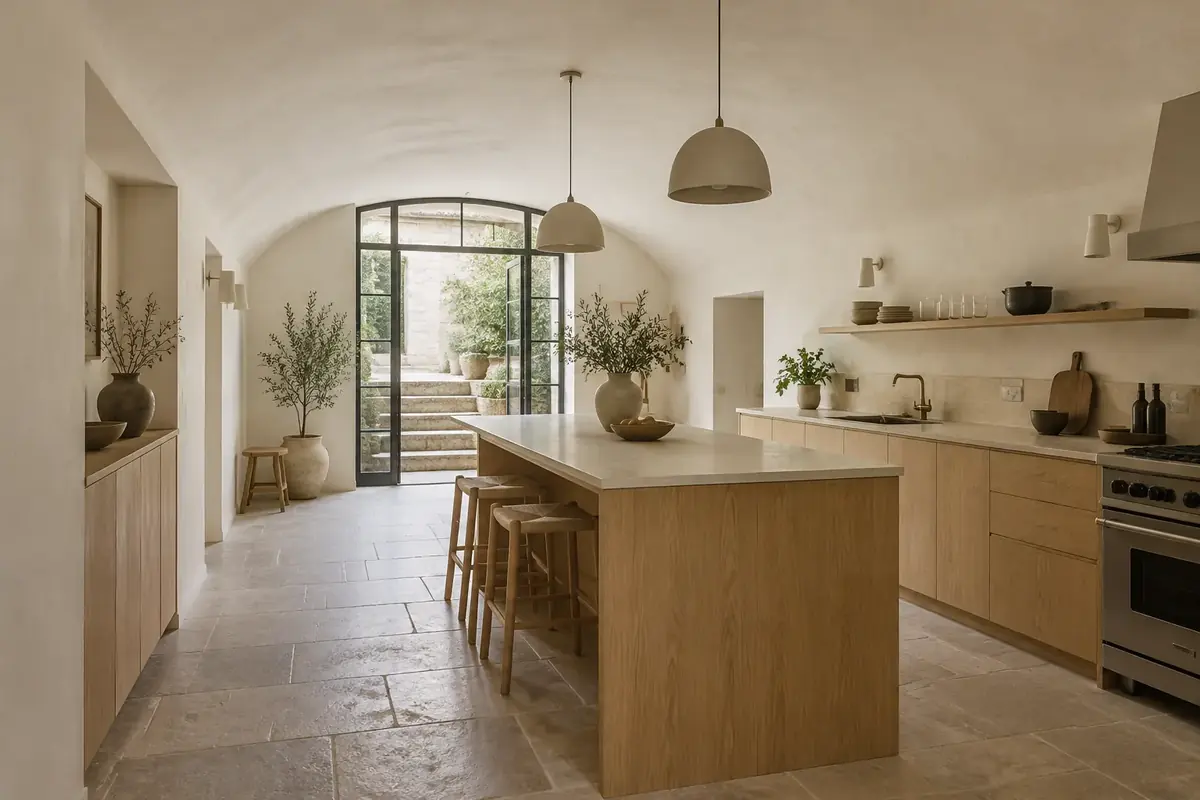
Rooms that suit real life: quiet breakfasts, homework at the big table, friends round on a Friday. And a proper link to the garden.
Sustainability
We think about warmth and energy bills from the first sketch: good insulation, sensible glazing and materials that last. Not bolted on at the end.
Value
A home that works well is easier to love now and easier to sell later. Good design is usually the best-value part of the whole project.
Case study
What have we delivered?
Phoenix Canoe Club: a waterfront community building that achieved planning permission.
See the projectServices in Camden
What we design in Camden
- House extensionsRear and side extensions in Camden.
- Loft conversionsDormer, hip-to-gable and mansard lofts in Camden.
- Change of useCommercial to residential conversions.
- ReconfigurationsReconfigurations in Camden.
- New-build homesNew-build homes in Camden.
- Garden rooms & outbuildingsGarden rooms & outbuildings in Camden.
- Site feasibility & yieldSite feasibility & yield in Camden.
- Airspace developmentAirspace development in Camden.
- House to flats conversionsHouse to flats conversions in Camden.
- Commercial new-buildCommercial new-build in Camden.
- Infill & backlandInfill & backland in Camden.
- Sports & club buildingsSports & club buildings in Camden.
- Faith & community hallsFaith & community halls in Camden.
- Education & nurseriesEducation & nurseries in Camden.
- Heritage & refurbishmentHeritage & refurbishment in Camden.
- Funding-ready proposalsFunding-ready proposals in Camden.
Our services process
How does the design process work?
Feasibility
Site appraisal, planning strategy and a costed brief within four weeks.
3D Design
Concept and options tested in three dimensions from day one.
Planning
Full planning submission with Design & Access statement and neighbour consultation.
Technical
Tender-ready technical package and on-site support through completion.
Why choose DOR
Why choose DOR Architects in Camden?
- 3D design from the first sketch
- Comprehensive support from brief through completion
- Deep planning experience across London & Herts
- Transparent, stage-based fees — no hourly billing
- Senior-led: you work directly with Dor, from first sketch to finish
- Sustainability considered from Stage 1, not bolted on
Services in Camden
Questions
Everything you need to know about working with DOR Architects.
Many single-storey rear extensions fall under permitted development, but flats, conservation areas, Article 4 areas and larger or two-storey schemes usually need full planning permission. We check your address against local policy before you spend money on drawings.
Yes — we work across north London and Hertfordshire and design every scheme around the local council's policies and design guidance.
First sketch to completion is typically 12–18 months — 3–4 months design, 8–10 weeks for planning, then 6–9 months on site.
We keep a small, vetted list of contractors who consistently deliver in the area — we'll introduce you at Stage 3.
Transparent stage-based fees, shared as a fixed proposal after our first meeting — no hidden hourly billing.