
For developers & investors · North London
Can I add storeys on top of an existing building?
Architects for rooftop and airspace extensions: new flats on existing buildings, Part 20 permitted development, prior approval and structural feasibility.

Reviewed by Dor Cohen, RIBA Chartered Architect, ARB Registered
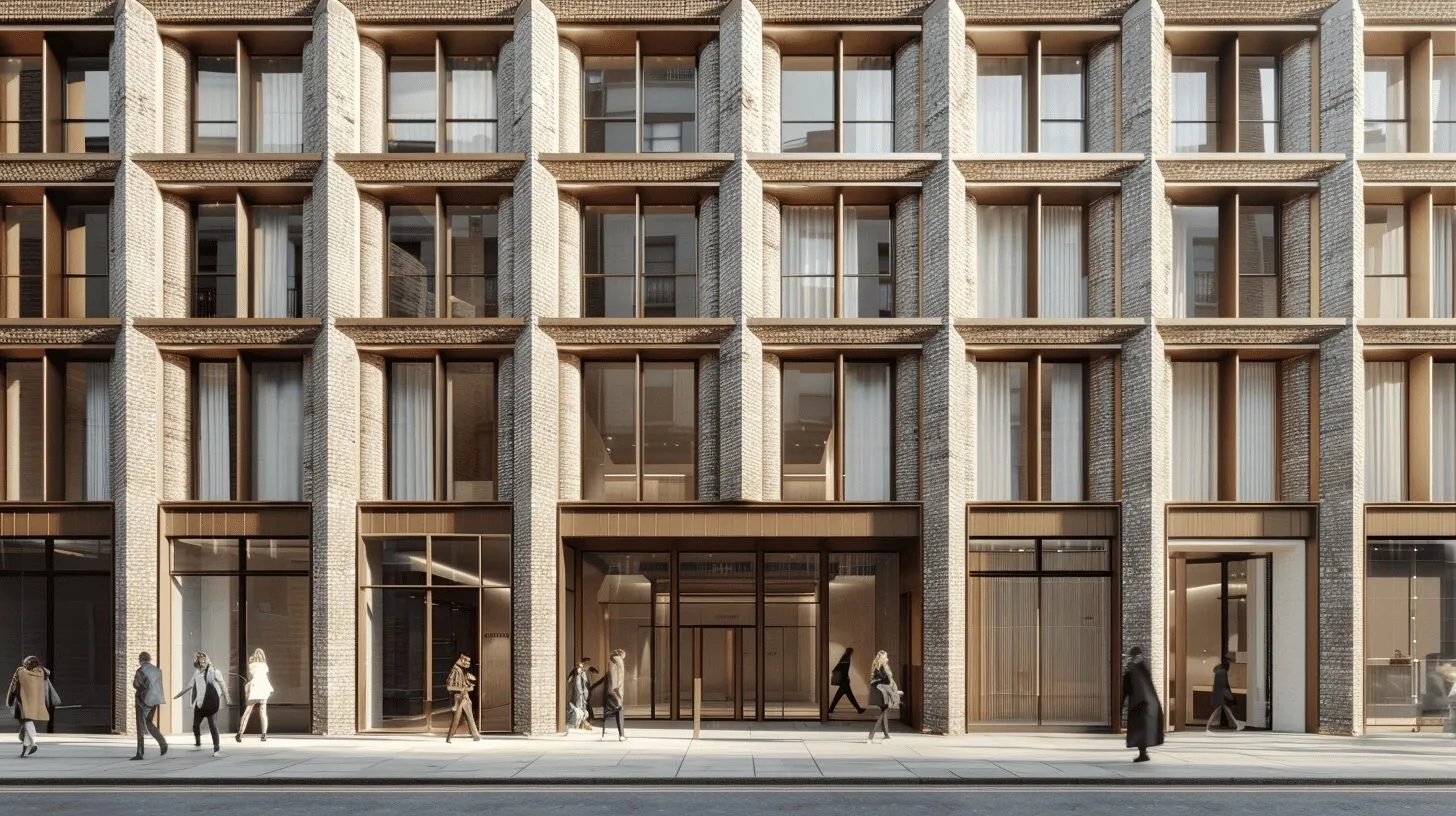
Airspace development in short
Often, yes. Permitted development under Part 20 allows up to two extra storeys of homes on some purpose-built blocks of flats and other buildings, subject to prior approval. It doesn't apply in conservation areas or to listed buildings, and the structure must take the load. Elsewhere, full planning permission is the route.
Who it's for
- Freeholders of purpose-built blocks
- Developers buying airspace rights
- Owners of commercial buildings with flat roofs

What we deliver, stage by stage
Stage 0–1
Structural and policy feasibility, existing building scan and rooftop massing options.
Stage 2
Concept scheme in 3D with area schedules, so the numbers and the design are tested together.
Stage 3
Planning drawings, design and access statement and coordination of specialist reports, managed through to a decision.
Stage 4+
Technical drawings and specification written with a contractor's eye, so tenders come back accurate.
Planning and regulations that apply
General guidance only. Rules change and every site is different, so we confirm what applies to yours.
- Part 20 permitted developmentClasses A–AD allow upward extensions to create new homes on certain buildings, with prior approval covering issues such as appearance, amenity, transport and fire safety. GOV.UK: Permitted development rights (upward extensions)
- ExclusionsThese rights don't apply in conservation areas or to listed buildings or their curtilage.
- Fire safetyTaller buildings trigger stricter fire safety requirements, and buildings 18m or more with two or more homes fall under the Building Safety Regulator.
Local planning knowledge
Airspace development across North London and South Hertfordshire
Every council reads the national rules through its own guidance. Here's what usually matters in the boroughs we work in.
Barnet
Barnet Residential Design Guidance SPD
Barnet's growth areas such as Brent Cross and Colindale take higher density; elsewhere suburban character and parking policy shape what a site can yield.
Camden
Camden Planning Guidance: Home Improvements
Camden expects high design quality and affordable housing contributions on qualifying schemes; conservation areas cover much of the borough.
Brent
Brent Residential Extensions and Alterations SPD
Brent has major growth areas around Wembley and along transport corridors, where taller, denser schemes are supported in principle.
Haringey
Haringey Local Plan and conservation area appraisals
Haringey's east has regeneration areas, while western neighbourhoods like Highgate and Muswell Hill are more constrained by heritage.
Harrow
Harrow Residential Design Guide SPD
Harrow directs most growth to Harrow town centre and Wealdstone; suburban sites are judged on character and parking.
Hertsmere
Hertsmere Local Plan and Green Belt policy
Green Belt covers most of Hertsmere, so development is focused on existing towns such as Borehamwood and Potters Bar.
Is your site in a conservation area?
Enter your full address to check conservation areas, listed buildings, Article 4, Green Belt and flood zones before you design anything.
Check your address
Common risks and how we handle them
- Existing structure can't carry the loadWe bring a structural engineer in at feasibility, before design spend.
- Leaseholder and neighbour objectionsAppearance and amenity are tested in 3D early to support prior approval.
Related
Questions
Everything you need to know about working with DOR Architects.
On some buildings, yes, under Part 20, but prior approval is still required and conservation areas are excluded.
Up to two under Part 20 on qualifying buildings. More would need full planning permission.
Yes. Homes created under permitted development must meet the Nationally Described Space Standard.
Prior approval considers neighbour amenity, and construction impact needs careful planning. We address both from the start.
Yes. We're based in Golders Green, North West London, and work on airspace development across Barnet, Camden, Brent, Haringey, Harrow and South Hertfordshire. Each council has its own design guidance, which we check for your site from the start.
Use our free conservation area and site checker. Enter the full address and it checks conservation areas, listed buildings, Article 4 directions, Green Belt and flood zones, then explains what each means.
Councils aim to decide minor applications within 8 weeks and major applications within 13 weeks of validation. Pre-application advice beforehand usually adds a few weeks but reduces risk.
Tell us about your site
Send us a WhatsApp message with the address and your aims. We'll reply with next steps.