
For developers & investors · North London
Do I need planning permission to convert a house into flats or an HMO?
Converting houses into flats or HMOs: planning permission, Article 4 HMO restrictions, space standards and Building Regulations explained by a RIBA architect.

Reviewed by Dor Cohen, RIBA Chartered Architect, ARB Registered
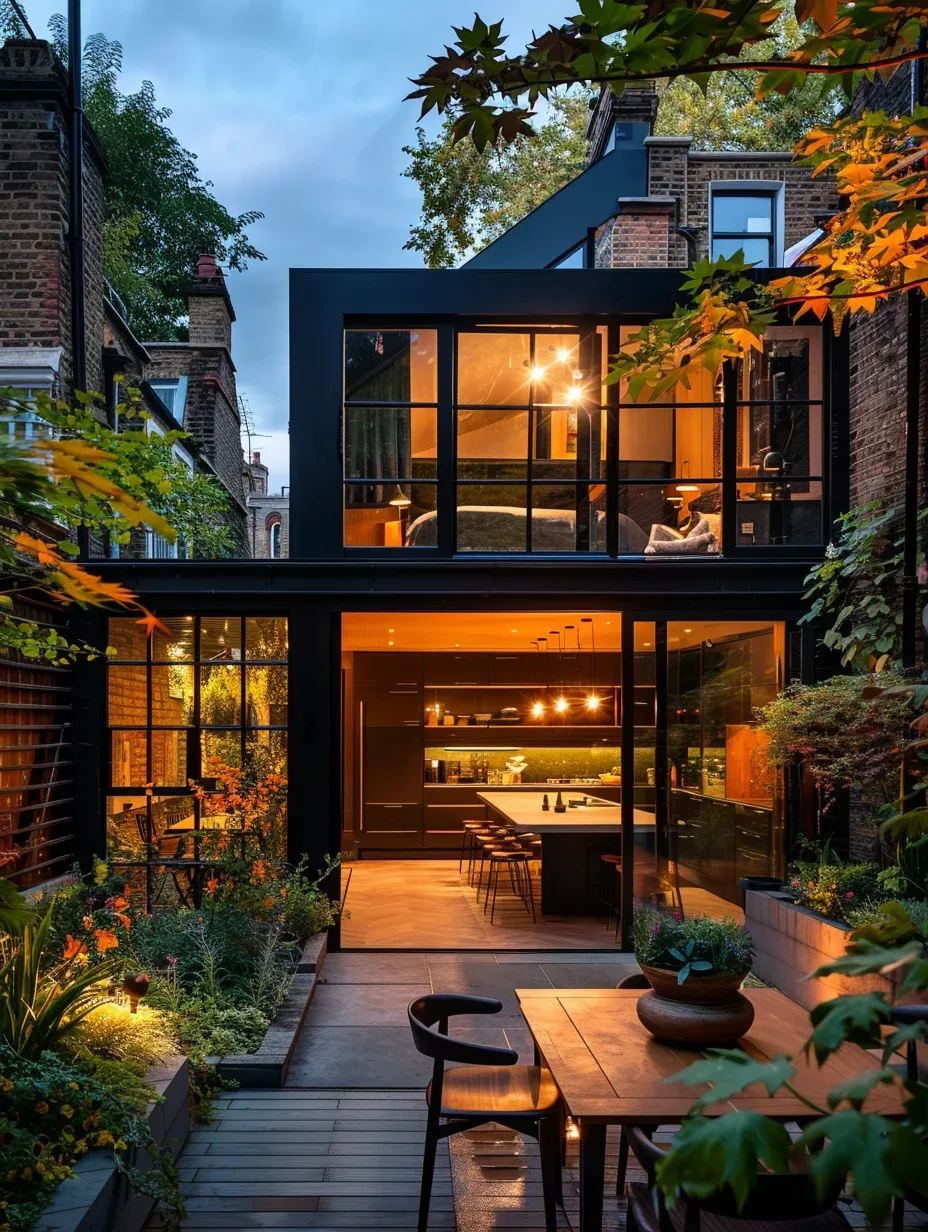
House to flats conversions in short
Converting a house into self-contained flats always needs planning permission. A small HMO for three to six people can sometimes use permitted development, but many London boroughs, including Barnet, have Article 4 directions removing that right. Larger HMOs need planning. Each flat must meet minimum space standards.
Who it's for
- Investors converting family houses
- Landlords regularising or upgrading HMOs
- Owners splitting a large house

What we deliver, stage by stage
Stage 0–1
Existing building scan, policy check (including HMO Article 4 directions) and layout options against space standards.
Stage 2
Concept scheme in 3D with area schedules, so the numbers and the design are tested together.
Stage 3
Planning drawings, design and access statement and coordination of specialist reports, managed through to a decision.
Stage 4+
Technical drawings and specification written with a contractor's eye, so tenders come back accurate.
Planning and regulations that apply
General guidance only. Rules change and every site is different, so we confirm what applies to yours.
- FlatsSubdividing a house into flats is a material change of use requiring planning permission.
- Small HMOs (C4)Change from a house (C3) to a small HMO for 3–6 people is permitted development unless an Article 4 direction applies. Barnet has a borough-wide HMO Article 4 direction.
- Large HMOsHMOs for seven or more people are sui generis and always need planning permission.
- Space standardsEach new flat must meet the Nationally Described Space Standard. GOV.UK: Nationally Described Space Standard
Local planning knowledge
House to flats conversions across North London and South Hertfordshire
Every council reads the national rules through its own guidance. Here's what usually matters in the boroughs we work in.
Barnet
Barnet Residential Design Guidance SPD
Barnet's growth areas such as Brent Cross and Colindale take higher density; elsewhere suburban character and parking policy shape what a site can yield.
Camden
Camden Planning Guidance: Home Improvements
Camden expects high design quality and affordable housing contributions on qualifying schemes; conservation areas cover much of the borough.
Brent
Brent Residential Extensions and Alterations SPD
Brent has major growth areas around Wembley and along transport corridors, where taller, denser schemes are supported in principle.
Haringey
Haringey Local Plan and conservation area appraisals
Haringey's east has regeneration areas, while western neighbourhoods like Highgate and Muswell Hill are more constrained by heritage.
Harrow
Harrow Residential Design Guide SPD
Harrow directs most growth to Harrow town centre and Wealdstone; suburban sites are judged on character and parking.
Hertsmere
Hertsmere Local Plan and Green Belt policy
Green Belt covers most of Hertsmere, so development is focused on existing towns such as Borehamwood and Potters Bar.
Is your site in a conservation area?
Enter your full address to check conservation areas, listed buildings, Article 4, Green Belt and flood zones before you design anything.
Check your address
Common risks and how we handle them
- Councils resisting loss of family homesWe check local policy on family housing early, before you commit to a layout.
- Fire separation and soundBuilding Regulations upgrades are designed in, not added late.
Related
Questions
Everything you need to know about working with DOR Architects.
No. Creating self-contained flats from a house requires planning permission.
It removes the permitted development right to turn a house into a small HMO, so planning permission is needed instead.
At least 37m² for a one-person studio with a shower, 50m² for a one-bed two-person flat, rising with bedrooms.
Yes. Separation between flats is designed to Building Regulations from the concept stage.
Yes. We're based in Golders Green, North West London, and work on house to flats conversions across Barnet, Camden, Brent, Haringey, Harrow and South Hertfordshire. Each council has its own design guidance, which we check for your site from the start.
Use our free conservation area and site checker. Enter the full address and it checks conservation areas, listed buildings, Article 4 directions, Green Belt and flood zones, then explains what each means.
Councils aim to decide minor applications within 8 weeks and major applications within 13 weeks of validation. Pre-application advice beforehand usually adds a few weeks but reduces risk.
Tell us about your site
Send us a WhatsApp message with the address and your aims. We'll reply with next steps.